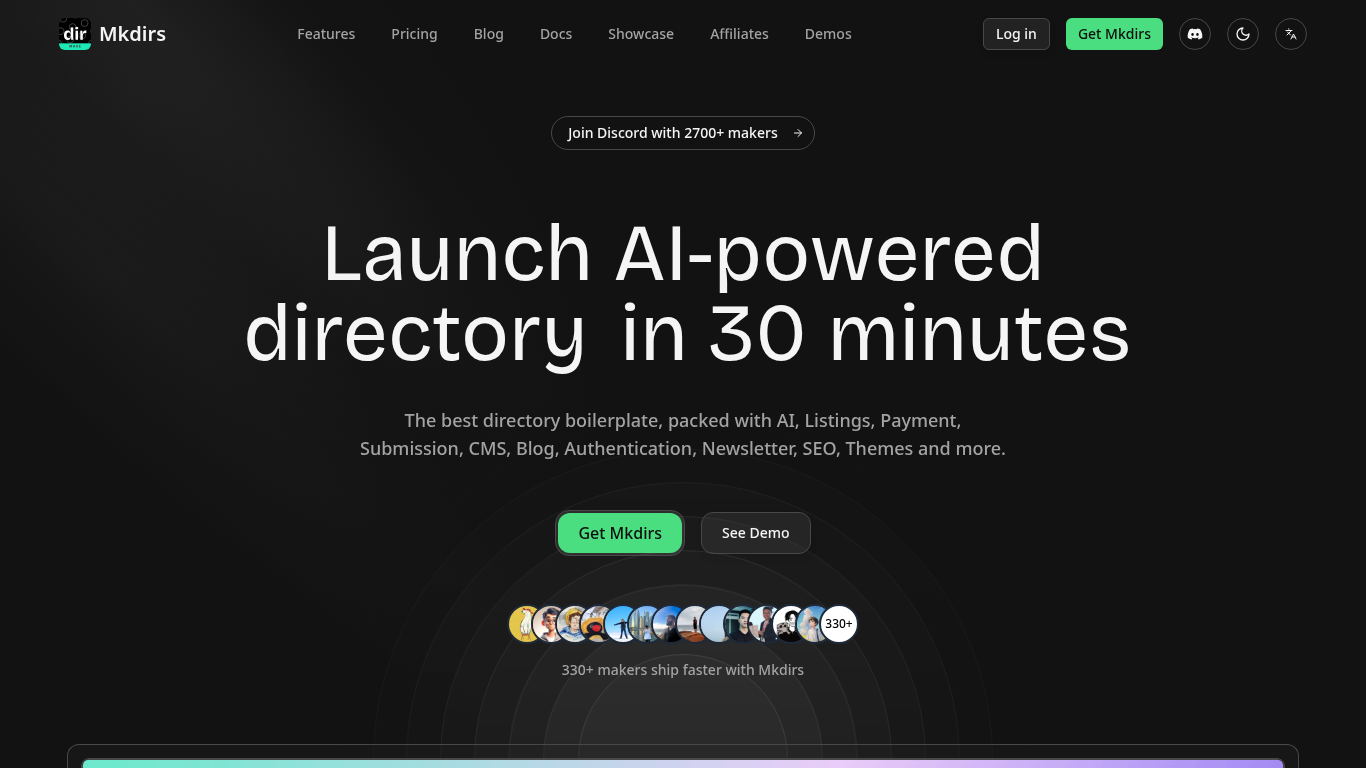
Mkdirs
Mkdirs is a comprehensive Next.js boilerplate for launching AI-powered directory websites quickly. Includes built-in submission systems, SEO optimization, and monetization features.
What is Mkdirs?
Mkdirs is a comprehensive boilerplate or template designed to help users quickly launch AI-powered directory websites for business listings, niche tools, product showcases, or community hubs. Rather than building directory platforms from scratch—a process requiring months of development—Mkdirs provides complete, production-ready codebases that users can customize and deploy in minutes. The platform targets entrepreneurs, developers, and businesses wanting to create directory sites without extensive coding or the expense of custom development.
The boilerplate includes all essential directory functionality—user authentication, content submission systems, search and filtering, content management, SEO optimization, and monetization features. This completeness eliminates the tedious work of building common features repeatedly, allowing creators to focus on their specific directory niche, content curation, and business model rather than technical implementation. Mkdirs represents the productization of directory development knowledge into reusable templates.
Technology Stack and Foundation
Modern Web Technologies
Mkdirs is built with a cutting-edge tech stack including Next.js (React framework), Auth.js for authentication, Shadcn UI for interface components, Tailwind CSS for styling, Sanity CMS for content management, Resend for emails, Stripe for payments, and Vercel AI SDK for AI features. This stack represents current best practices in web development, ensuring performance, security, and developer experience.
Next.js provides server-side rendering, static site generation, and excellent SEO capabilities—critical for directory sites needing search visibility. The framework's image optimization, route prefetching, and code splitting ensure fast page loads even with extensive directory content. Modern React patterns make the codebase maintainable and extensible as directories grow.
AI-Powered Features
The AI integration enables autofill capabilities for submission forms where AI extracts information from URLs or descriptions, reducing manual data entry for submitters. This AI assistance improves submission quality and quantity by lowering friction. The Vercel AI SDK provides production-ready AI integration without complex setup or API management.
AI features can extend to content categorization, duplicate detection, quality assessment, or automated moderation. These intelligent capabilities reduce manual curation workload while improving directory consistency and quality. The AI integration demonstrates how modern directory platforms can leverage machine learning for operational efficiency.
Core Directory Features
Advanced Search and Filtering
Mkdirs includes sophisticated search functionality with filtering and sorting options enabling users to find relevant listings efficiently. Multi-faceted filtering by category, tags, pricing, ratings, or custom attributes helps users narrow results to perfect matches. Search quality directly impacts user experience and directory value—poor search frustrates users and obscures quality listings.
The implementation handles edge cases like partial matches, typos, and synonym understanding. Performant search remains fast even as directory scales to thousands of listings. These technical search considerations are solved once in the boilerplate rather than repeatedly by each directory creator.
Submission Systems
Built-in submission systems support both free and paid listings, enabling flexible business models. Users can set up approval workflows, automated acceptance criteria, or manual review processes. Payment integration through Stripe handles billing for paid submissions automatically, including invoicing, receipt generation, and subscription management for recurring listings.
Submission forms can be customized with directory-specific fields while maintaining consistent structure and validation. File uploads for images, logos, or attachments are handled with proper storage and optimization. The submission infrastructure addresses the complex workflows that make directory development challenging. Like our Invoice Generator handles billing documents, Mkdirs handles listing submissions.
Content Management and Administration
Sanity CMS Integration
Deep integration with Sanity CMS provides powerful content management through intuitive Sanity Studio interface. Administrators can manage listings, create categories, moderate submissions, and update content without touching code. The headless CMS architecture separates content from presentation, enabling flexibility in how directory data is displayed.
Sanity's real-time collaboration features allow multiple team members to manage directory content simultaneously. The structured content modeling ensures data consistency across the directory. API access to content allows building apps, widgets, or integrations extending directory functionality beyond the web interface.
SEO Optimization
Robust SEO optimization includes auto-generated sitemaps submitted to search engines, Open Graph metadata for social sharing previews, structured data markup helping search engines understand content, and optimized page titles and descriptions. These technical SEO fundamentals are implemented correctly by default rather than requiring manual optimization knowledge.
Next.js server-side rendering ensures search engines can crawl and index all directory content. Fast page loads from optimized images and code splitting improve user experience metrics that influence search rankings. The comprehensive SEO approach helps directories compete for organic traffic from day one.
Monetization Capabilities
Mkdirs enables multiple monetization strategies through integrated features. Paid submissions generate revenue from businesses paying for directory inclusion or premium placements. Sponsored ads allow selling featured positions or banner advertisements to listings wanting extra visibility. Affiliate links in listings can generate commissions when users purchase recommended products or services.
The Stripe integration handles payment processing, subscriptions, and financial reporting. Directory owners can experiment with different monetization models—one-time payment for permanent listings, monthly subscriptions, tiered pricing with feature differences, or free listings with paid upgrades. This flexibility supports finding profitable business models matching specific directory niches.
Customization and Deployment
Configuration and Branding
Users configure directories by cloning repositories and customizing built-in layouts, components, and styling. Tailwind CSS makes visual customization straightforward through utility classes and theme configuration. Designers can match directory aesthetics to brand identities without deep CSS knowledge. Component-based architecture allows modifying specific interface elements without affecting entire systems.
Configuration files control directory behavior, pricing, features, and integrations. This declarative configuration approach means customizations survive template updates—users can pull improvements from the base template without losing customizations. This maintainability prevents forks from diverging irreparably from maintained templates.
Flexible Deployment
Deployment flexibility supports various platforms including Vercel, Netlify, AWS, or custom servers. This platform independence prevents vendor lock-in and allows choosing hosting matching technical requirements and budgets. Next.js deployment simplicity means directories can be live in minutes after basic configuration.
The one-time template purchase allows building unlimited directory websites, making it economical for creators managing multiple niche directories or agencies building directories for clients. This licensing model contrasts with recurring SaaS fees that would accumulate across multiple sites.
Use Cases and Applications
Local Business Directories
Creators launch local business directories for cities, regions, or specialized local services like restaurants, contractors, or medical providers. These directories serve communities while generating revenue through business listings, advertising, or premium placements. The built-in features handle common local directory needs—maps integration, hours, contact information, reviews.
Local directories can focus on underserved niches or communities where existing directory options are inadequate. The rapid launch capability allows testing market demand quickly without huge upfront investment in custom development. Successful directories can expand to additional cities using the same template.
Niche Tool and Software Directories
Software tool directories like AI tools, developer resources, marketing software, or productivity apps leverage Mkdirs to build curated collections. These niche directories compete with general directories through specialization and curation quality. The template handles technical requirements while creators focus on content quality and community building.
Tool directories monetize through software company listings, affiliate commissions on sales, or sponsored placements. The built-in submission systems allow community contribution while maintaining quality through approval workflows. This community-powered growth scales directory content beyond what individuals could curate manually.
Community Hubs and Marketplaces
Communities launch directories connecting members with resources, services, or opportunities within their niches. Freelance marketplaces, job boards, or service directories built on Mkdirs benefit from its complete feature set. The template accelerates building community infrastructure that strengthens member engagement and provides value.
Membership or subscription-based directories control access to listings or premium features through built-in authentication and payment systems. These gated community directories create exclusive value justifying membership fees while leveraging Mkdirs infrastructure avoiding custom development costs.
Support and Documentation
Mkdirs provides extensive documentation, video tutorials, email support, and Discord community assistance helping users successfully deploy and customize directories. This support infrastructure addresses technical questions, best practices, and troubleshooting during setup and growth. Good documentation and support reduce friction between template purchase and successful directory launch.
The combination of code quality, documentation, and support transforms Mkdirs from mere code template into complete solution. Users without extensive development experience can successfully launch directories through guided learning resources. This accessibility expands the potential creator base beyond just developers to entrepreneurs with directory ideas.
Related Products
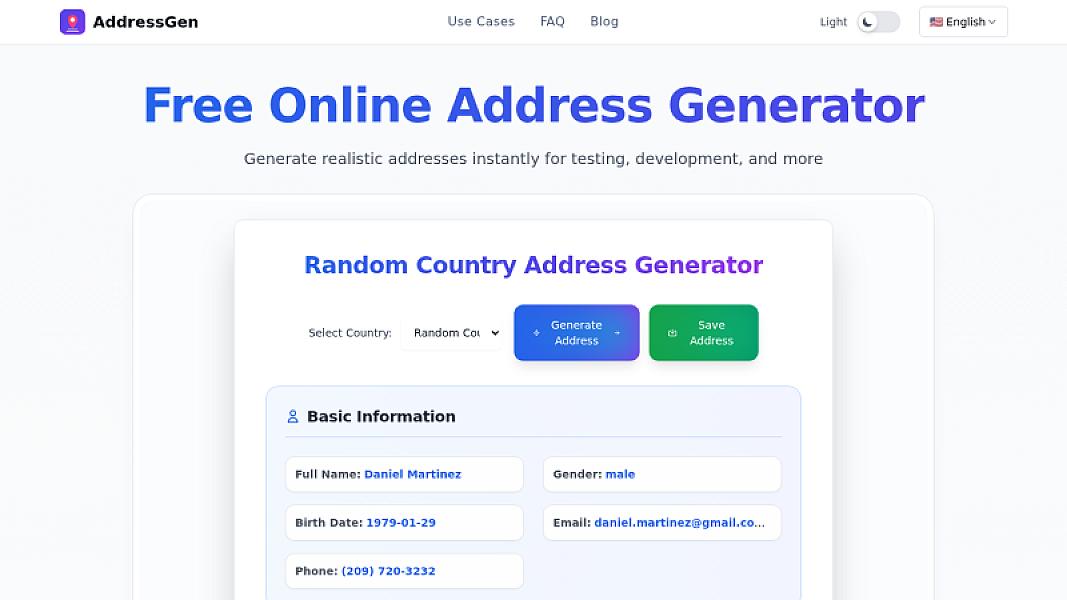
Generate Realistic Fake Addresses for Testing and Development
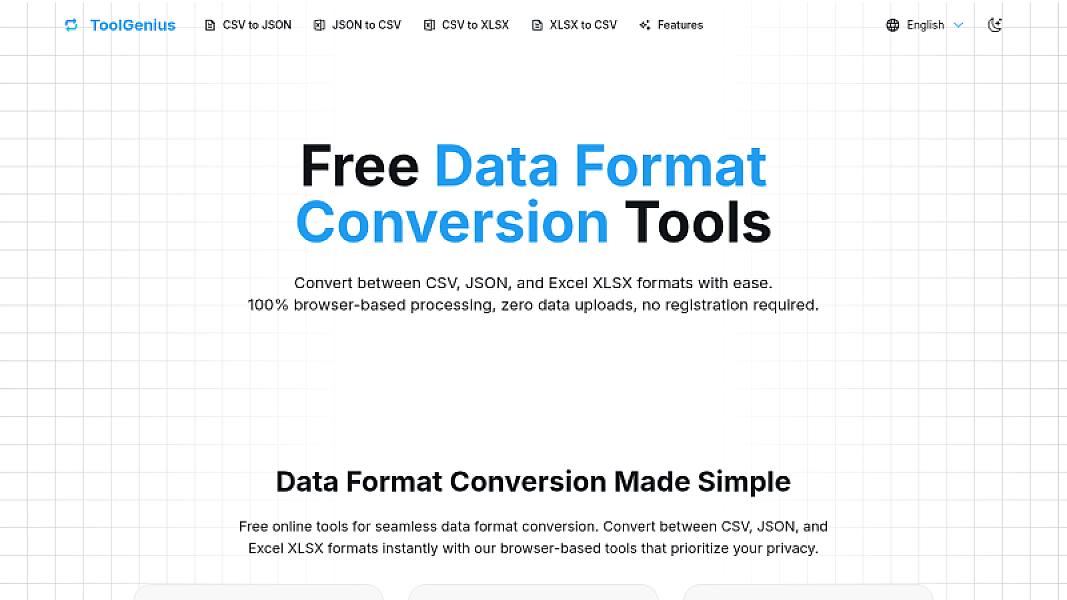
Online Data Format Conversion Tools - CSV, JSON, XLSX and More
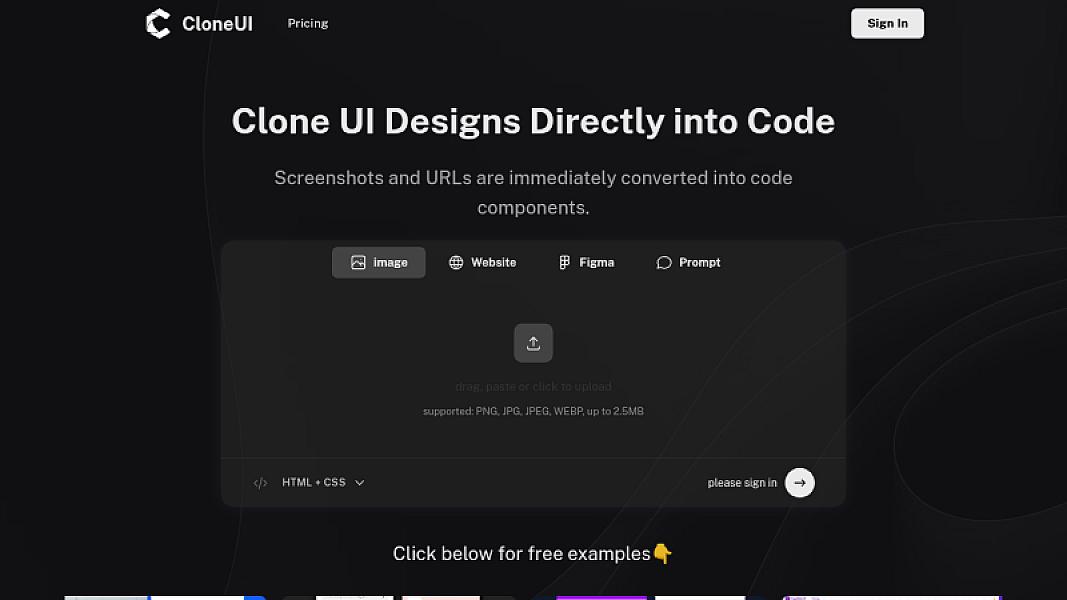
AI-Powered Website Cloning and Design-to-Code Conversion in Seconds
Get Updated With The Latest Updates
Discover, use, and share the best tools for creators, developers, and entrepreneurs