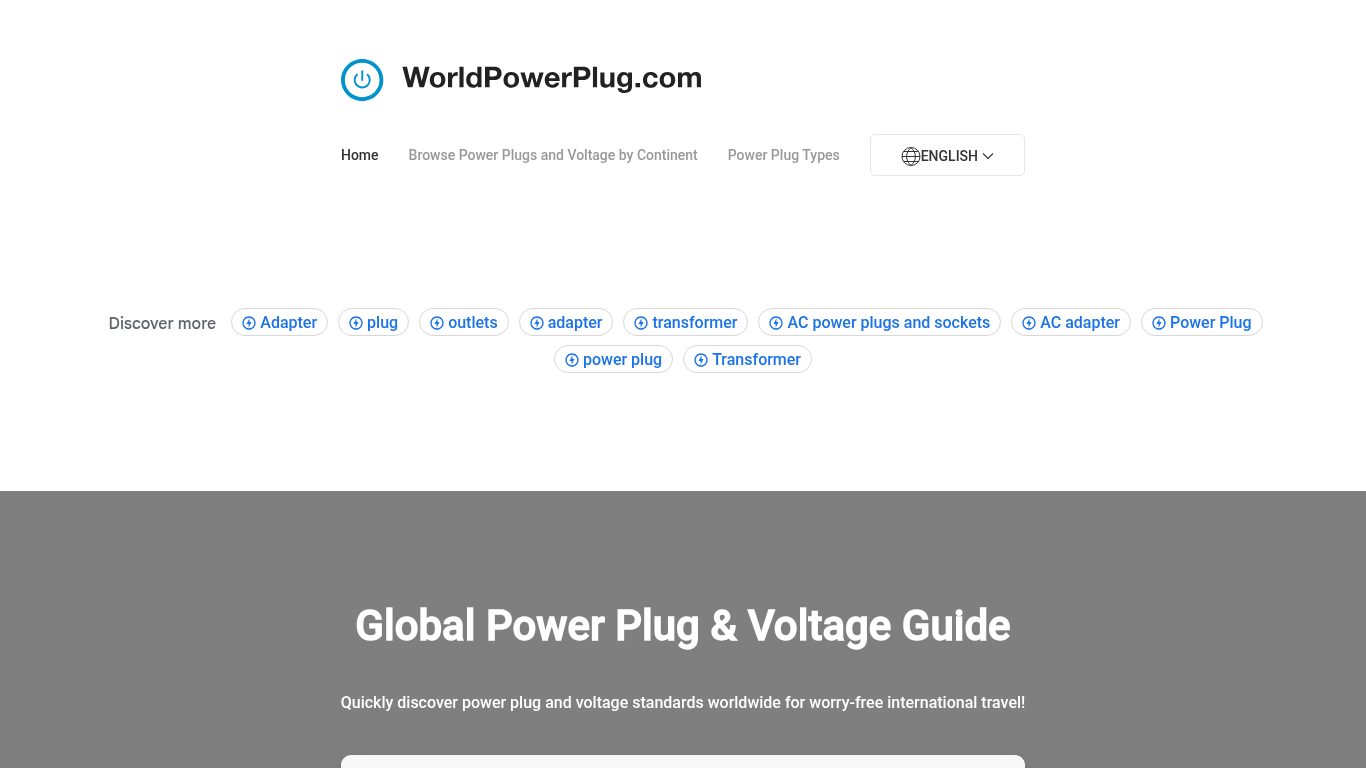
WorldPowerPlug
WorldPowerPlug provides comprehensive information on power plug types, electrical outlets, and voltage standards worldwide. Essential travel reference for choosing the right power adapters.
What is WorldPowerPlug?
WorldPowerPlug is an online reference resource providing comprehensive information about power plug types, electrical outlet configurations, and voltage standards across countries worldwide. The platform assists international travelers, expatriates, and global businesses in understanding electrical requirements for different regions and selecting appropriate power adapters. By consolidating global electrical standards into accessible formats, WorldPowerPlug solves the common frustration of incompatible chargers and devices when crossing borders.
The guide addresses a universal travel challenge—arriving in a foreign country unable to charge devices because electrical systems differ from home. Plug shapes, outlet configurations, voltages, and frequencies vary significantly between regions, creating confusion and inconvenience. WorldPowerPlug clarifies these differences, enabling informed adapter purchases and electrical preparedness.
Power Plug Type Reference
Comprehensive Type Classification
WorldPowerPlug catalogs power plug types categorized from Type A through Type O, detailing designs and international usage. Type A features two flat parallel pins used primarily in North America and Japan. Type G includes three rectangular pins common in the United Kingdom and former British colonies. Type C has two round pins standard across most of Europe.
Each plug type listing includes visual diagrams showing exact pin configurations, measurements, and grounding arrangements. Understanding these distinctions helps travelers identify which adapter types they need for specific destinations. The detailed illustrations prevent confusion between similar-looking plugs that aren't actually compatible.
Global Distribution and Usage
The platform maps which plug types are used in each country, recognizing that many nations use multiple types simultaneously due to historical changes or regional variations. Italy primarily uses Type L but Type C also works. India officially uses Type D but Type C and M appear in some regions. This nuanced information prevents travelers from purchasing inadequate adapters.
Understanding regional plug standards helps explain why certain adapter designs feature multiple configurations. Universal adapters accommodate the most common plug types precisely because global electrical systems lack standardization. WorldPowerPlug's country-specific information enables targeted adapter selection rather than relying on one-size-fits-all solutions.
Voltage and Frequency Standards
Voltage Differences Explained
Beyond plug shapes, voltage differences pose critical considerations for device safety and functionality. Most countries use 220-240V systems while others, notably the United States, Japan, and parts of Central America, operate at 110-127V. Connecting 110V devices to 240V outlets without voltage converters can damage or destroy electronics. WorldPowerPlug lists voltage standards by country, highlighting this important safety consideration.
The platform educates users about dual-voltage devices—many modern electronics like laptops and smartphones automatically handle different voltages, requiring only plug adapters not voltage converters. However, some devices like hair dryers or electric shavers remain single-voltage, necessitating converters when traveling between voltage systems. Understanding these distinctions prevents costly equipment damage.
Frequency Variations
Electrical frequency—measured in Hertz (Hz)—also varies globally. Most countries use 50Hz, while North America and parts of South America use 60Hz. While less critical than voltage for most electronics, frequency differences can affect motor-driven appliances like clocks or audio equipment. WorldPowerPlug notes frequency standards alongside voltage information for comprehensive electrical specifications.
Users learn that frequency mismatches rarely damage devices but may affect performance. A 50Hz clock in a 60Hz country runs slightly fast, while motors designed for one frequency operate inefficiently on another. This knowledge helps travelers make informed decisions about which appliances to bring or purchase locally.
Travel Planning Applications
Pre-Trip Preparation
Travelers researching destinations use WorldPowerPlug to determine required adapters before departure. Knowing Italy uses Type L and 230V lets travelers purchase appropriate adapters at home rather than searching unfamiliar foreign stores after arrival. This proactive planning prevents frustration and ensures device usability from day one.
Multi-country trips require particular attention—a European tour might encounter multiple plug types across different nations. WorldPowerPlug helps identify whether universal adapters suffice or if multiple specific adapters are needed. Planning electrical logistics alongside itineraries ensures smooth travels.
Business and Expatriate Needs
Business travelers attending international conferences use the resource to pack appropriate adapters for presentations and work equipment. Expatriates relocating abroad determine which household appliances will work in new countries and which require replacement. Corporate travel managers reference the site when equipping employees for international assignments.
Global businesses operating across multiple countries use WorldPowerPlug when selecting equipment designed for international use. Understanding electrical diversity informs product design decisions ensuring devices function worldwide. Manufacturers reference electrical standards when creating export products.
Educational Value
Beyond practical travel applications, WorldPowerPlug educates users about global electrical infrastructure diversity. Understanding why different regions adopted different standards provides historical and technical context. The platform demystifies electrical systems, transforming confusing technical specifications into comprehensible information.
Electrical engineering students, hobbyists, and technically curious individuals use the site as a reference for understanding international power standards. The consolidated information saves research time compared to consulting multiple sources for country-specific data. Educational accessibility promotes broader electrical literacy.
Adapter Selection Guidance
The platform often includes guidance on choosing appropriate adapters—differences between basic plug adapters versus voltage converters, when universal adapters suffice versus needing specific types, and quality considerations for safe adapter selection. This educational component helps users make informed purchasing decisions preventing inadequate or unsafe products.
Users learn that cheap, poorly made adapters pose safety risks including poor connections, overheating, or even fire hazards. Understanding proper adapter specifications supports safe electrical usage internationally. Knowledge prevents false economy where inferior products cause problems exceeding savings.
Limitations and Accuracy
While comprehensive, WorldPowerPlug information represents general standards that may not capture every local variation. Older buildings might have obsolete outlet types, renovations may introduce mixed standards, and rural areas sometimes differ from urban norms. The resource provides foundational knowledge requiring verification for critical applications.
Users traveling to unusual destinations or very remote areas should supplement online resources with destination-specific research or local contact. For most mainstream travel, however, WorldPowerPlug provides sufficiently accurate information for adequate electrical preparation.
Free Accessibility
Offering electrical standards information freely serves travelers worldwide regardless of economic status. Free access aligns with the site's educational mission, making practical technical knowledge universally available. No registration requirements mean immediate access when planning trips or researching electrical compatibility.
The free model supports both casual occasional travelers and frequent international flyers. Anyone can reference the site repeatedly without limits, checking multiple destinations or revisiting information before trips. Universal access promotes safer, more informed international travel.
Related Products
Learn From Real Entrepreneurs Who Won Their First 100 Customers
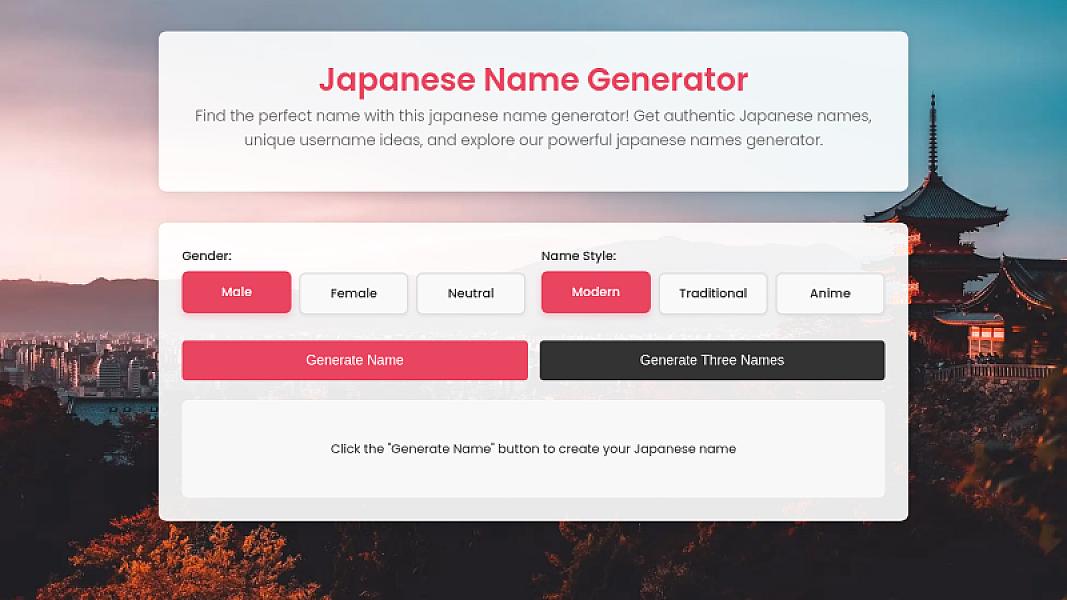
Generate Authentic Japanese Names with Cultural Meanings Instantly

Ultimate 4-Letter Word Finder for Games and Puzzles
Get Updated With The Latest Updates
Discover, use, and share the best tools for creators, developers, and entrepreneurs